
Achieving Clear Skin: A Whole-Body Approach to Acne
Article Outline
▼Summary
▼Finding Balance in Your Skin's Story
As we navigate the complexities of acne, we often find ourselves searching for solutions that address more than just the symptoms. We explore the connexions between our skin, hormones, gut health, and lifestyle, and consider how these factors might be influencing our skin's health. In this article, we'll take a gentle approach to understanding acne and finding a path forward that nourishes both body and skin.
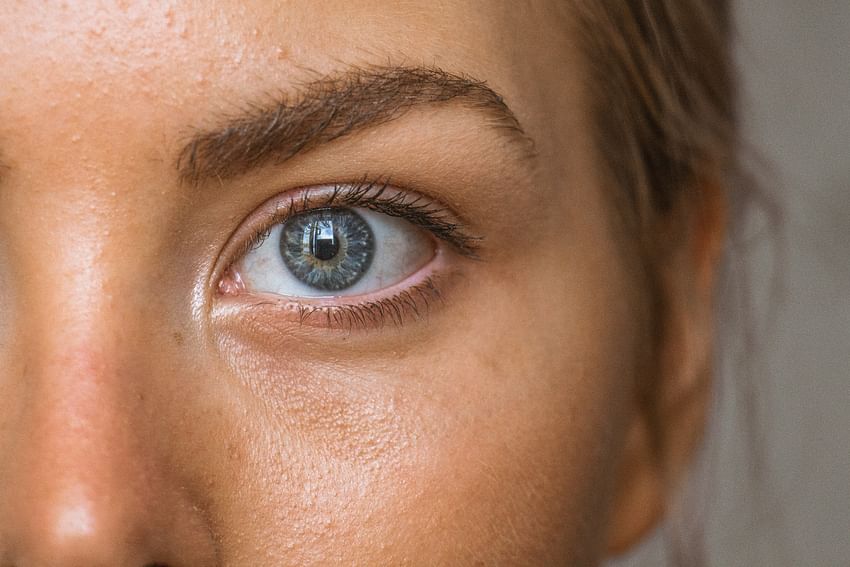
If you struggle with acne, you know the frustration of trying product after product, treatment after treatment, without lasting results. You have probably been told to wash your face more, try a new cream, or just wait for it to pass. But here is what conventional approaches often miss: acne is rarely just a skin problem.
Your skin is your largest organ, and it reflects what is happening inside your body. Persistent acne often signals imbalances in hormones, gut health, blood sugar, or inflammation that no topical product can fully address. Understanding these connexions opens up new possibilities for genuinely clear skin.
What Is Actually Happening
Acne occurs when hair follicles become clogged with oil (sebum) and dead skin cells. Bacteria can colonise these clogged pores, leading to inflammation and the various forms of acne:
- Blackheads and whiteheads - clogged pores without significant inflammation
- Papules and pustules - inflamed, red bumps (what most people call pimples)
- Cysts and nodules - deep, painful, inflammatory lesions that are more likely to scar
The question is: why is your skin producing excess oil? Why is there so much inflammation? Why are your pores getting clogged? The answers often lie deeper than the skin.
The Internal Drivers of Acne
Hormones
Hormonal fluctuations are one of the most significant drivers of acne. This is why acne often appears during puberty, before menstruation, during pregnancy, and around menopause.
Androgens (male hormones present in both men and women) stimulate oil production. Elevated androgens or increased sensitivity to androgens leads to more sebum and more acne.
Insulin acts like a hormone that affects other hormones. High insulin levels stimulate androgen production and increase sebum production. This is why blood sugar management matters for skin.
Estrogen and progesterone fluctuations throughout the menstrual cycle affect acne. Many women break out predictably at certain points in their cycle.
Conditions like PCOS (polycystic ovary syndrome) involve hormonal imbalances that frequently manifest as persistent acne.
Blood Sugar and Insulin
High-glycemic foods (sugar, refined carbohydrates, processed foods) spike blood sugar and insulin. This triggers a cascade that increases androgens, boosts sebum production, and promotes inflammation - all contributing to acne.
Research consistently shows that low-glycemic diets improve acne. Blood sugar stability is not just about weight or energy - it matters for your skin.
Gut Health
The gut-skin axis is real. Gut health affects systemic inflammation, nutrient absorption, hormone metabolism, and immune function - all of which influence skin.
People with acne have different gut microbiome compositions than those with clear skin. Gut inflammation can manifest as skin inflammation. Supporting gut health often improves skin.
Inflammation
Acne is fundamentally an inflammatory condition. Anything that increases systemic inflammation - poor diet, stress, inadequate sleep, gut dysfunction - can worsen acne.
Food Sensitivities
Dairy is a common acne trigger. It contains hormones (even organic dairy) and insulin-like growth factors that can stimulate sebum production. Many people see significant improvement when they eliminate dairy.
Gluten triggers inflammation in sensitive individuals and may affect gut health in ways that manifest as skin problems.
Other foods may be individual triggers. An elimination diet can help identify whether specific foods are contributing to your breakouts.
Stress
Stress increases cortisol, which in turn affects other hormones and increases inflammation. Stress also impairs gut function and immune response. Many people notice breakouts during stressful periods - this is not coincidental.
Addressing Acne From the Inside
Balance Blood Sugar
Reduce sugar and refined carbohydrates. Emphasize protein, healthy fats, and fibre with meals. Avoid constant snacking. This reduces insulin spikes and their downstream effects on hormones and sebum production.
Support Gut Health
Address any digestive symptoms. Eat plenty of fibre and fermented foods. Consider probiotics. Remove foods that trigger inflammation for you. A healthy gut supports healthy skin.
Consider Eliminating Dairy
Try removing dairy completely for at least a month and observe. Many people are surprised by how much their skin improves.
Eat Anti-Inflammatory Foods
Omega-3 fatty acids (fatty fish, walnuts, flaxseeds), colourful vegetables, and antioxidant-rich foods support skin health and reduce inflammation.
Key Nutrients
Certain nutrients are particularly important for skin:
- Zinc - involved in skin healing and hormone regulation; often low in those with acne
- Vitamin A - essential for skin cell turnover
- Omega-3 fatty acids - anti-inflammatory
- Vitamin D - affects skin health and immune function
Manage Stress
Chronic stress perpetuates acne. Whatever genuinely helps you manage stress - sleep, movement, meditation, boundaries - is a skin intervention.
Address Hormonal Imbalances
If acne is clearly hormonally driven (cyclical breakouts, other signs of hormonal imbalance), working with a practitioner to address underlying hormonal issues may be necessary.
External Care That Matters
Topical care still has a role, but it works best alongside internal support:
Gentle cleansing - harsh products strip skin and can worsen oil production. Clean without stripping.
Avoid over-washing and over-exfoliating - this irritates skin and can make acne worse.
Non-comedogenic products - use products that do not clog pores.
Do not pick - picking spreads bacteria and causes scarring. Resist.
Consider active ingredients like salicylic acid, benzoyl peroxide, or retinoids for topical treatment - these can help, but work better when internal factors are also addressed.
Sunscreen - sun damage worsens skin health long-term, even if temporary tanning seems to help acne.
A Patient Approach
Skin cell turnover takes about 28 days. Changes you make today will not show up on your skin immediately. Give dietary and lifestyle interventions at least 6-8 weeks before evaluating results.
Acne often took years to develop, and clearing it is a process. Be patient with yourself and your skin.
When to Seek Help
Severe or cystic acne, acne that scars, or acne that does not respond to foundational changes may benefit from working with a dermatologist or functional medicine practitioner. There are effective treatments available - you do not have to suffer indefinitely.
Your Skin Is Speaking
Acne is frustrating, but it is also information. Your skin is telling you something about what is happening inside your body. Listening to that message - and addressing the root causes - offers the possibility of truly clear skin, not just managed symptoms.
The approach that works is often both/and: good external care AND attention to the internal factors driving breakouts. When you address both, lasting improvement becomes possible.
Want to explore related topics? Learn about hormonal health, understand gut health, or explore blood sugar balance.