
Parasite Infection: What You Need to Know
Article Outline
▼Summary
▼Considering the Possibility of Parasites
When we're feeling unwell, it's easy to overlook the possibility of parasites at play. Yet, these tiny organisms can have a significant impact on our health, and being informed can help us take the right steps towards healing. Let's explore what parasites are, how they enter our bodies, and what we can do to address them. **A Note on Approach** Our aim here is not to create fear, but to empower you with knowledge. By understanding parasites and their role in our health, we can work together to find gentle and effective solutions.
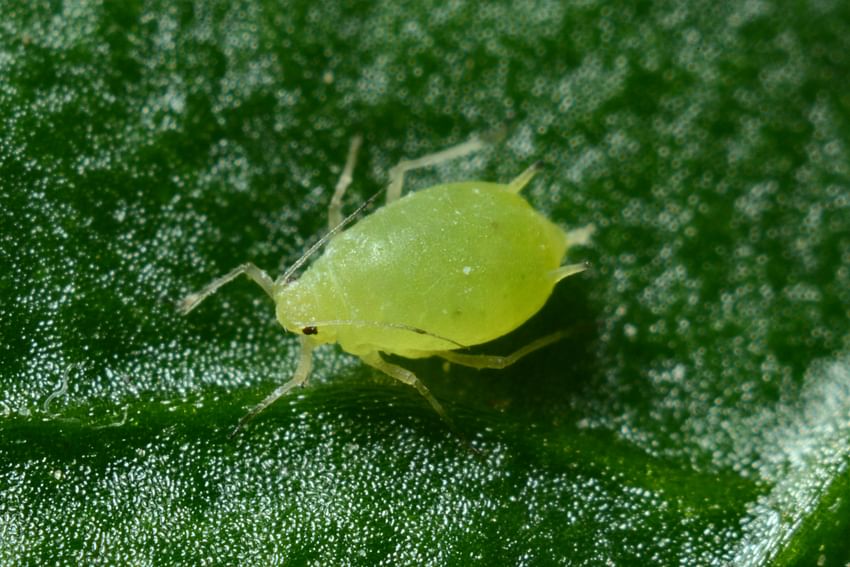
The word "parasite" tends to make people squirm, and for good reason - these are organisms that literally live off us, taking what they need while giving nothing beneficial in return. But here is something that might surprise you: parasitic infections are not just a problem in faraway places. They are more common than most people think, even in developed countries, and they often go undiagnosed because their symptoms mimic so many other conditions.
Understanding parasites is not about creating fear. It is about being informed so you can recognise when something might be off and take appropriate action.
What Exactly Are Parasites?
Parasites are organisms that depend on a host - in this case, you - for survival. They come in several forms:
Protozoa are single-celled organisms, invisible to the naked eye. Giardia and cryptosporidium are common examples that affect the gut. Despite their tiny size, they can cause significant symptoms.
Helminths are parasitic worms - roundworms, tapeworms, hookworms, and pinworms among them. Some can grow quite large and live in the intestines for years if untreated.
Ectoparasites live on the outside of the body. Lice, scabies, and ticks fall into this category.
Each type has its own way of entering the body, its own preferred location to settle, and its own set of symptoms.
How Parasites Find Their Way In
Parasites are opportunistic. They have evolved many ways to reach new hosts:
Contaminated food and water are the most common routes for intestinal parasites. Undercooked meat, unwashed produce, and untreated water can all carry parasites or their eggs. This is why food safety matters so much, especially when travelling.
Insect bites transmit certain parasites directly into the bloodstream. Mosquitoes are notorious for spreading malaria in tropical regions.
Direct contact with contaminated soil, infected animals, or other people can also transmit parasites. Walking barefoot in areas where hookworms are present, for example, allows them to enter through the skin of your feet.
Person-to-person transmission happens with some parasites, particularly in close-contact settings like households or childcare facilities. Pinworms spread this way among children quite easily.
Recognizing the Signs
One of the challenges with parasitic infections is that symptoms can be vague and easily attributed to other causes. Many people live with low-grade infections for months or years without realising it.
Common symptoms that may indicate a parasitic infection include:
- Digestive issues - bloating, gas, diarrhoea, constipation, or alternating between the two
- Abdominal pain or cramping, especially after eating
- Unexplained fatigue that does not improve with rest
- Changes in appetite - either increased hunger or loss of appetite
- Unexplained weight changes
- Nutrient deficiencies despite eating well (parasites compete for your nutrients)
- Skin issues - rashes, hives, eczema, or unexplained itching
- Grinding teeth during sleep (particularly associated with intestinal parasites)
- Mood changes, anxiety, or brain fog
- Trouble sleeping, especially waking around 2-3 AM (when the liver is most active)
Some symptoms are more specific to certain parasites. Intense itching around the anus, especially at night, often indicates pinworms. Anemia can develop with hookworm infections as they feed on blood. Fever and chills may accompany malaria or other blood-borne parasites.
Getting Answers
If you suspect a parasitic infection, proper testing is important. A comprehensive stool analysis can detect many intestinal parasites, though timing matters - some parasites shed eggs cyclically, so a single test may miss them. Multiple samples collected over several days increase accuracy.
Blood tests can detect certain parasites or the antibodies your body produces in response to them. Your healthcare provider can guide you toward appropriate testing based on your symptoms and any exposure risks.
Be prepared to discuss your travel history, food and water sources, contact with animals, and any patterns you have noticed in your symptoms. This information helps narrow down what might be causing your issues.
Treatment Approaches
Most parasitic infections are treatable once identified. Conventional treatment typically involves antiparasitic medications targeted to the specific organism. The type of medication and duration of treatment depend on which parasite is involved and how severe the infection is.
Some people also explore natural antiparasitic approaches - herbs like wormwood, black walnut, and cloves have traditional use against intestinal parasites. However, these should complement, not replace, medical treatment for confirmed infections, and they work best under the guidance of a knowledgeable practitioner.
Supporting your gut health during and after treatment helps your body recover. Parasites disrupt the microbiome, so rebuilding beneficial bacteria through probiotics and fermented foods supports healing.
Prevention Is Powerful
The best approach to parasites is avoiding them in the first place. Some practical steps:
Be mindful about food and water. Wash produce thoroughly. Cook meat to safe temperatures. When travelling to areas with questionable water quality, stick to bottled or purified water - and remember that ice cubes count too.
Practice good hand hygiene. Wash hands thoroughly before eating, after using the bathroom, and after handling animals or soil.
Be cautious with raw foods when travelling. Salads, unpeeled fruits, and raw seafood carry higher risk in areas where parasites are common.
Protect against insect bites in areas where mosquito-borne parasites are present. Use repellent, wear protective clothing, and sleep under nets if needed.
Deworm pets regularly and wash hands after handling them, particularly before eating.
Wear shoes when walking in areas where soil might be contaminated.
Trust Your Instincts
If something feels off in your body - especially ongoing digestive issues, unexplained fatigue, or symptoms that do not resolve with other treatments - parasites are worth considering. They are not always the answer, but they are overlooked more often than they should be.
Your gut health is foundational to your overall wellbeing. Understanding all the factors that can affect it, including these uninvited guests, puts you in a better position to protect and restore it.
Want to learn more about supporting your digestive system? Explore the power of your microbiome and understand how to identify if your gut needs attention.