
Cultivating Inner Harmony: Yogic Principles for Emotional Wellbeing
Article Outline
▼Summary
▼Finding Calm in a Busy World
As we navigate life's challenges, it's easy to feel overwhelmed and disconnected from our inner selves. In this article, we'll explore how yogic principles can help you cultivate emotional wellbeing, from regulating your nervous system to developing greater self-awareness. We'll look at practical ways to bring more calm and clarity into your daily life.
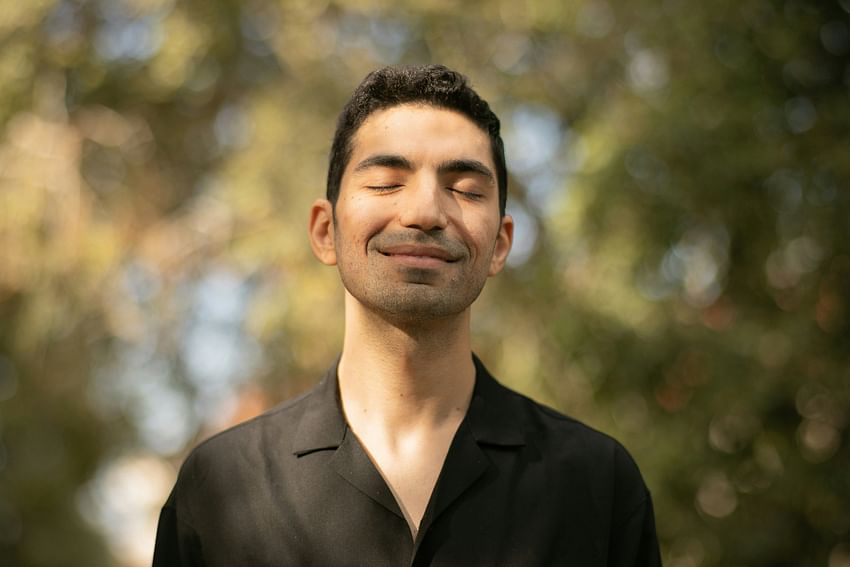
In a world that moves faster than our nervous systems were designed to handle, ancient practises offer something valuable: proven methods for calming the mind, settling the body, and finding equilibrium amid chaos.
Yoga, at its heart, is not about achieving perfect poses - it is about cultivating a state of being that allows you to move through life with greater ease, clarity, and presence. The physical postures are just one part of a comprehensive system that includes breath work, meditation, and ethical principles designed to support wellbeing on every level.
Beyond the Physical Practice
Many people come to yoga for flexibility or fitness and discover something unexpected: they feel calmer, more grounded, more like themselves. This is not accidental. Yoga was designed as an integrated practise for body, mind, and spirit.
The physical postures (asanas) are traditionally preparation for the deeper practises - they release tension, build body awareness, and create the conditions for the mind to settle. When the body is comfortable and at ease, the mind can more readily find stillness.
But the physical practise is just one of eight "limbs" of yoga described in classical texts. The others include ethical principles for living, breath practises, sensory awareness, concentration, meditation, and ultimately, a state of integration and peace.
How Yoga Affects Your Nervous System
Yoga's benefits for emotional wellbeing are not mystical - they are physiological.
Activates the parasympathetic nervous system. Slow, deep breathing and gentle movement stimulate the vagus nerve and shift the body from stress mode (sympathetic dominance) to rest-and-restore mode (parasympathetic activation). This reduces cortisol and adrenaline while promoting feelings of calm.
Reduces stress hormones. Regular yoga practise has been shown to lower cortisol levels. This matters because chronic cortisol elevation drives anxiety, disrupts sleep, and undermines health.
Increases GABA. Yoga practise increases levels of gamma-aminobutyric acid (GABA), the brain's primary calming neurotransmitter. Low GABA is associated with anxiety and depression.
Builds interoception. Yoga develops awareness of internal body sensations - the ability to feel what is happening inside. This capacity is essential for emotional regulation and is often impaired in those with anxiety, trauma, or chronic stress.
Regulates the HPA axis. Regular practise helps normalise the hypothalamic-pituitary-adrenal axis - the system governing stress response - leading to more appropriate reactions to stressors.
Breath as a Bridge
Pranayama - yogic breath practises - may be the most accessible and immediately effective tool yoga offers.
Your breath is unique among bodily functions: it happens automatically but can also be consciously controlled. This makes it a bridge between the conscious and unconscious, the voluntary and involuntary. By controlling breath, you can influence heart rate, blood pressure, and nervous system state.
Practices to Try
Extended exhale breathing. Inhale for a count of 4, exhale for a count of 6-8. Extending the exhale relative to the inhale activates the parasympathetic nervous system. Practice for 5-10 minutes when anxious or before sleep.
Alternate nostril breathing (Nadi Shodhana). This traditional practise balances the left and right hemispheres of the brain and creates a profound sense of calm. Close the right nostril and inhale through the left, then close the left nostril and exhale through the right. Inhale through the right, close it, and exhale through the left. Continue alternating.
Three-part breath (Dirga Pranayama). Breathe into the belly, then the ribs, then the upper chest in one smooth inhale. Exhale in reverse order. This deep, full breath promotes relaxation and body awareness.
Box breathing. Inhale for 4 counts, hold for 4, exhale for 4, hold for 4. Repeat. This balanced breath calms the nervous system and focuses the mind.
Physical Practice for Emotional Wellbeing
Different styles and poses serve different emotional needs:
For anxiety and overwhelm: Gentle, grounding practises. Forward folds, child's pose, legs up the wall. Slow movement with emphasis on exhales. Restorative yoga.
For depression and low energy: More active practises that build heat and energy. Standing poses, backbends (which are heart-opening and energising), sun salutations. Practices that move stagnant energy.
For stress and tension: Practices that release held tension. Hip openers (where many people hold stress), shoulder and neck stretches, twists. Yin yoga, which holds poses for longer periods allowing deep tissue release.
For emotional processing: Heart-opening poses can bring emotions to the surface for processing. Backbends, chest openers, and poses that create vulnerability can facilitate emotional release.
Listening to what your body needs on any given day - rather than forcing a predetermined practise - is itself a form of self-care.
Meditation and Mental Clarity
Meditation is the practise of training attention. In a world of constant distraction, this skill is increasingly valuable - and increasingly difficult.
Regular meditation practise:
- Reduces activity in the brain's default mode network (associated with rumination and self-referential thinking)
- Strengthens the prefrontal cortex (responsible for executive function and emotional regulation)
- Reduces amygdala reactivity (meaning less emotional hijacking by the stress response)
- Improves focus and concentration
- Creates space between stimulus and response, allowing more thoughtful choices
You do not need to meditate for hours to benefit. Even 10-15 minutes daily creates measurable changes in brain structure and function over weeks to months.
Living the Principles
Yoga's ethical principles (yamas and niyamas) offer guidance for living that supports emotional wellbeing:
- Non-harming (ahimsa) - including toward yourself. Self-criticism and perfectionism harm wellbeing.
- Contentment (santosha) - finding peace with what is, rather than constant striving.
- Self-study (svadhyaya) - developing self-awareness and understanding your patterns.
- Letting go (aparigraha) - releasing attachment to outcomes, possessions, and identities that no longer serve you.
These are not commandments but invitations to consider how you are living and what supports your peace.
A Practice, Not a Performance
Yoga is called a practise because it is ongoing - something you return to regularly, not something you perfect and complete. The benefits come from consistent engagement over time, not from achieving any particular pose or state.
You do not need to be flexible to practise yoga. You do not need to look a certain way or believe certain things. You need only to show up with willingness to pay attention to your breath, your body, and your mind.
In that paying attention, you may find something you have been seeking: a way back to yourself.
Want to explore related topics? Learn about nervous system regulation or understand holistic approaches to mental health.