
Autoimmune Basics: When Your Body Fights Itself
Article Outline
▼Summary
▼Understanding Autoimmune Disease
We all have an incredible immune system that usually works seamlessly to protect us. But sometimes, it can get confused and start attacking our own tissues. This is known as autoimmunity, and it's connected to a growing list of conditions that affect millions of people worldwide. In this article, we'll explore what autoimmune disease is, how it develops, and what we can do to address it.
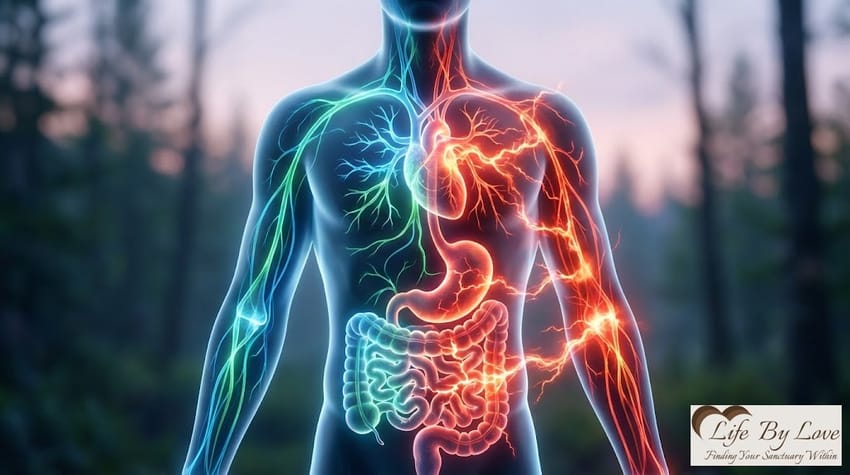
Your immune system is remarkable - it can identify and neutralise millions of different threats while leaving your own tissues alone. Most of the time, this system works flawlessly. But sometimes, something goes wrong. The immune system loses the ability to distinguish self from non-self and begins attacking the body's own tissues.
This is autoimmunity, and it is behind a growing list of conditions that affect millions of people worldwide.
What Is Autoimmune Disease?
In a healthy immune system, specialised cells learn to recognise the difference between foreign invaders (bacteria, viruses, parasites) and your own cells. This education happens early in life, and normally the immune system develops "tolerance" to self.
In autoimmune disease, this tolerance breaks down. The immune system produces antibodies against the body's own tissues or sends immune cells to attack organs and systems. The specific tissues attacked determine which autoimmune condition develops:
- Hashimoto's thyroiditis: immune attack on the thyroid gland
- Rheumatoid arthritis: immune attack on joint tissues
- Type 1 diabetes: immune attack on insulin-producing cells in the pancreas
- Multiple sclerosis: immune attack on the myelin sheath protecting nerves
- Lupus: immune attack on multiple organ systems
- Celiac disease: immune reaction to gluten that damages the intestinal lining
- Inflammatory bowel disease: immune attack on the digestive tract
- Psoriasis: immune attack affecting skin cells
There are over 80 recognised autoimmune conditions, and they share the common feature of the immune system turning against self.
Why Is This Happening More?
Autoimmune diseases have increased dramatically over the past several decades - too quickly to be explained by genetics alone. Something in our environment and lifestyle is triggering these conditions in susceptible individuals.
Several factors are implicated:
Gut health and intestinal permeability. A significant body of research connects gut health to autoimmunity. The gut houses about 70 percent of your immune system, and the intestinal barrier plays a crucial role in immune regulation. When this barrier becomes permeable ("leaky gut"), substances that should stay inside the digestive tract can enter the bloodstream and trigger immune responses. Research by Dr. Alessio Fasano and others has identified intestinal permeability as a factor in multiple autoimmune conditions.
Chronic inflammation. Ongoing inflammation from various sources - diet, stress, infections, toxins - can dysregulate immune function over time.
Environmental toxins. Exposure to certain chemicals, heavy metals, and pollutants has been linked to increased autoimmune risk.
Infections. Certain viral and bacterial infections can trigger autoimmunity through a process called molecular mimicry - where parts of the pathogen resemble human tissue, and the immune response meant for the pathogen cross-reacts with the body.
Chronic stress. Prolonged stress affects immune function and can contribute to loss of tolerance.
Dietary factors. Modern processed diets, food sensitivities (particularly gluten), and nutrient deficiencies may all play roles.
Reduced microbial exposure. The "hygiene hypothesis" suggests that reduced exposure to diverse microorganisms in modern life may leave the immune system without proper training, making it more likely to attack self.
The Triad: Genetics, Triggers, and Permeability
Current understanding suggests that autoimmune disease requires three elements:
- Genetic susceptibility: Certain genes increase risk for specific autoimmune conditions. But genes are not destiny - most people with susceptibility genes never develop autoimmune disease.
- Environmental trigger: Something in the environment activates the autoimmune process - an infection, toxin, stress, dietary factor, or other trigger.
- Intestinal permeability: Research suggests that increased intestinal permeability may be required for autoimmunity to develop. This makes gut health central to both prevention and management.
This model is hopeful because while you cannot change your genes, you can address triggers and work on gut health.
Recognizing Autoimmune Patterns
Autoimmune conditions can be difficult to diagnose because symptoms are often vague and develop gradually. Common early signs include:
- Fatigue that does not improve with rest
- Joint pain, muscle aches, or weakness
- Skin problems - rashes, dryness, or changes
- Digestive issues
- Recurring low-grade fever
- Difficulty concentrating or brain fog
- Hair loss
- Numbness or tingling
- Multiple food sensitivities
Many people have symptoms for years before diagnosis. If you have several of these symptoms, especially with a family history of autoimmune disease, further investigation may be warranted.
Autoimmune conditions also tend to cluster - having one increases your risk of developing others. This makes addressing root causes even more important.
The Functional Approach
Conventional treatment for autoimmune disease typically focuses on suppressing the immune system to reduce symptoms and prevent damage. This can be necessary and life-saving, particularly for severe or rapidly progressing conditions.
The functional medicine approach asks: why is the immune system attacking self, and can we address those underlying factors? This does not mean rejecting conventional treatment, but rather adding another layer of intervention.
Key areas of focus include:
Healing the gut. Given the connection between intestinal permeability and autoimmunity, gut healing is often foundational. This may involve removing inflammatory foods, addressing dysbiosis or infections, and supporting the intestinal lining.
Identifying and removing triggers. Food sensitivities (especially gluten), chronic infections, toxin exposures, and other triggers can perpetuate the autoimmune process. Identifying and addressing these can help calm immune activation.
Reducing inflammation. An anti-inflammatory diet, stress management, adequate sleep, and targeted supplements can help reduce the overall inflammatory load.
Supporting immune regulation. Vitamin D, omega-3 fatty acids, and certain botanicals may help modulate immune function. A healthy microbiome also supports appropriate immune responses.
Managing stress. Chronic stress perpetuates autoimmunity. Mind-body practises, adequate rest, and addressing sources of stress all matter.
What This Looks Like in Practice
For someone with an autoimmune condition, a functional approach might include:
- An elimination diet to identify food triggers (gluten and dairy are common)
- Testing and treatment for gut infections or dysbiosis
- Protocols to support intestinal healing
- Optimization of vitamin D, omega-3, and other nutrients
- Stress reduction practises
- Toxin reduction in home and personal care products
- Working with healthcare providers on appropriate conventional treatment
The goal is not to "cure" autoimmunity - once tolerance is lost, the tendency toward autoimmune reactivity often persists. But many people find that addressing root causes allows them to achieve remission, reduce medication, and prevent progression or development of additional autoimmune conditions.
Prevention Matters
If you have a family history of autoimmune disease or early signs of immune dysregulation, prevention is powerful. The same strategies that help manage autoimmunity can help prevent it:
- Prioritize gut health
- Reduce inflammatory triggers
- Manage stress
- Ensure adequate sleep
- Minimize toxin exposure
- Address nutrient deficiencies
You cannot change your genes, but you have significant influence over whether those genes get expressed.
Your Body Is Not the Enemy
Autoimmune disease can feel like betrayal - your own body attacking itself. But the immune system is not malfunctioning randomly. It is responding to signals it is receiving. Something is telling it there is a threat.
Understanding this reframes the approach. Instead of simply suppressing the immune system, we can ask what is driving the response and address those factors. We can work with the body rather than against it.
Healing from autoimmunity is not always simple or quick. But for many people, addressing root causes makes a meaningful difference in how they feel and function.
Want to explore related topics? Learn about inflammation's role in health, understand gut health fundamentals, or explore what a leaky gut is.